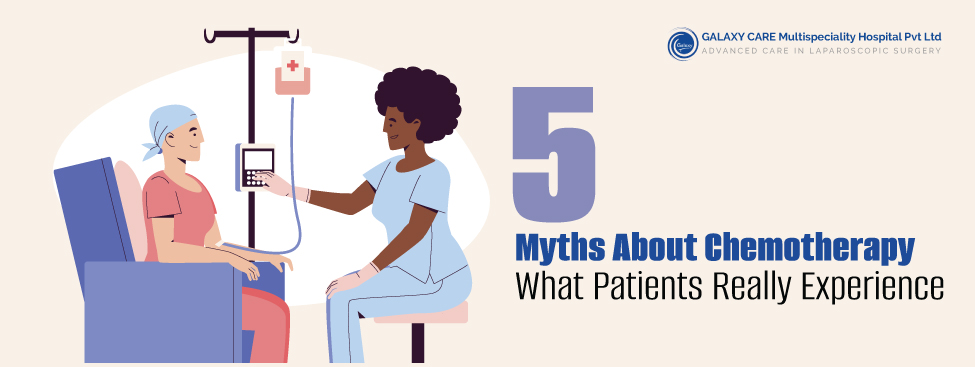
5 Common Myths About Chemotherapy: What Patients Really Experience
If you or someone you love has just been advised to start chemotherapy, it’s completely natural to feel anxious or uncertain. Many of us have heard scary experiences that make treatment sound overwhelming, but the reality today is very different. Modern oncology has come a long way. Chemotherapy is more precise, side effects are much better managed, and care teams focus on keeping you comfortable, active, and emotionally supported at every step. You’re not facing this alone. With the right guidance and care, chemotherapy can be a manageable and hopeful part of your healing journey.
At Galaxy Care Hospital, we understand that clarity matters, especially for families seeking cancer care. Let us help you separate myth from reality, so you know what to expect and how to prepare. With the right information, modern chemotherapy and cancer care can be far more manageable than many people imagine. Let’s begin.
Myth 1: “Chemo always causes unbearable side effects.”
Side effects are real, but “unbearable” is increasingly rare. Nausea and vomiting, the side effects most people fear, are now often prevented or greatly reduced. Many patients continue working, parenting, and exercising (with appropriate adjustments) during treatment. Fatigue can be the most persistent symptom, but it is typically cyclical and manageable with rest, hydration, nutrition, and gentle activity.
Not every drug causes hair loss or severe nausea, and not every person experiences side effects the same way. Dose adjustments, supportive medications, and preventive strategies like scalp cooling (when appropriate) can make a tangible difference. The key is early reporting and proactive management, your cancer care experts want to know the moment something changes so they can help.
Myth 2: “You have to be admitted to the hospital for every cycle.”
Most chemotherapy sessions are delivered in day-care infusion units, and many appointments take just a few hours. You arrive, receive pre-medications, get your infusion, and go home the same day. Only certain protocols or complications require admission. In practice, that means your routine and independence remain largely intact.
This outpatient model is one reason patients often find chemotherapy less disruptive than they feared. A well-run infusion centre prioritises comfort, safety, and efficiency, with vigilant monitoring during and after treatment. When you pair this with clear instructions for at-home care, like hydration goals, temperature checks, and when to call, you gain confidence and control over the process.
Myth 3: “Chemo always means total hair loss and looking very ill.”
Hair loss depends on the specific drugs and doses used. Some regimens cause thinning rather than complete loss; others don’t affect hair at all. If hair loss is likely, your chemotherapy experts can counsel you on scalp cooling (where suitable), hair care techniques, and wig or headwear options in advance. Eyelashes and eyebrows may thin temporarily, but they typically grow back after treatment.
Equally important, “looking ill” is not a given. Many patients maintain a healthy appearance with good sleep, skin care, light exercise, and balanced nutrition. Planning ahead, like scheduling a haircut, arranging headwear you feel good in, and adopting a simple skincare routine, can preserve body image and emotional well-being throughout therapy.
Myth 4: “Chemo permanently destroys your immunity.”
Immune suppression from chemo is usually temporary and follows a predictable pattern, with blood counts dipping and then recovering between cycles. Your oncologist tracks your counts and may recommend growth factors, timing tweaks, or preventive antibiotics when indicated. Practical steps, hand hygiene, masking in crowded indoor spaces during low-count days, food safety, and prompt reporting of fever, greatly reduce infection risk.
Vaccinations and preventive care are tailored to timing and sessions. Over the long term, most patients’ immune systems rebound. The emphasis is on risk awareness and early intervention, not fear. Knowing when counts are lowest helps you plan activities safely without feeling like you have to pause your life indefinitely.
Myth 5: “Chemo is the same for everyone.”
Chemo is not a single medicine; it’s a diverse group of drugs and protocols chosen for your specific cancer type, stage, biology, and goals of care. Personalization may include combining chemo with targeted therapy, immunotherapy, or hormone therapy. Genomic and molecular testing increasingly inform these choices, reducing unnecessary toxicity and improving outcomes.
This is where modern cancer care shines, tailoring plans to the person, not just the disease. Your regimen, schedule, supportive medications, and monitoring plan are all individualized. The result is a more precise approach that balances effectiveness with quality of life, aiming to keep you functioning and feeling as well as possible through each cycle.
What Patients Really Experience: A Week-in-the-Life View
Most patients experience a rhythm: infusion day, a day or two of fatigue or nausea (often mild with current supportive meds), and then a gradual return of energy. Hydration, small, frequent meals, and light movement (like a short walk) typically help. Sleep quality, stress management, and a consistent bowel regimen (to manage either constipation from antiemetics or occasional diarrhoea) can make a big difference.
A coordinated cancer recovery team is central to effective cancer care. You’ll have nurses, pharmacists, dietitians, and oncologists guiding you, plus access to counseling or support groups. Preparing a “chemo bag” with snacks and entertainment, keeping a side-effect diary, and setting up a simple medication schedule keep you organized and empowered.
For families seeking cancer care in Pune, look for an infusion center, like Galaxy Care Hospital, with experienced oncology nursing, robust emergency protocols, easy access to lab services, and clear after-hours communication. When these pieces are in place, you spend less time worrying and more time healing, living your life between cycles.
Chemotherapy Can Be Safe and Supportive
Chemotherapy today is safer, more precise, and far better supported than ever before. Where you choose to receive your treatment plays a big role in how comfortable and confident you feel throughout the process.
At Galaxy Care Hospital in Pune, your safety and well-being come first. Our attentive monitoring, day-care chemotherapy suites, and responsive side-effect management ensure you feel cared for at every stage. Whether you chemotherapy sessions or a personalized treatment plan, Galaxy Care Hospital provides compassionate, coordinated care that helps you stay active, hopeful, and well-guided through your cancer journey.
Feel free to get in touch with our expert oncologist to discuss your chemo needs, clarify your doubts, or simply understand your next steps. We’re here to support you — every question, every concern, every step of the way.