The Role of Annual Health Check-Ups in Cancer Prevention
Let’s be honest, most of us only visit a doctor when something feels wrong. When life is busy and you feel perfectly fine, booking a health check-up can seem unnecessary. “I’ll do it next month,” we tell ourselves. And next month quietly becomes next year.
At Galaxy Care Hospital in Pune, we say, feeling healthy and being healthy are not always the same thing. That’s exactly why annual health check-ups matter, not just when you’re unwell, but especially when you feel completely fine.
Why Are Annual Health Check-Ups Important Even If You Feel Healthy?
This is one of the most common questions doctors hear, and it’s a fair one.
The honest answer is that many cancers are “silent” in their early stages. They don’t always announce themselves with pain or visible signs. Cervical cancer, for example, may show no symptoms in its early form. Early-stage colorectal cancer often causes no discomfort at all. The same is true for several other cancers, by the time symptoms appear, the disease may have already progressed.
In India, 70% to 80% of cancers are detected at advanced stages, due to very low national screening rates.
Cancer prevention isn’t just about avoiding risk factors. It’s also about staying one step ahead through routine monitoring. When you schedule a regular health check-up, your doctor gets a baseline picture of your overall health, your blood pressure, weight, blood work, and more. Any changes over time become much easier to catch.
Think of it this way: you service your car regularly, not just when the engine starts making noise. Your body deserves at least the same level of care.
How Do Annual Health Check-Ups Help With Early Cancer Detection?
During a routine health evaluation, your doctor does more than just check your vitals. They ask about your lifestyle, family history, and any subtle changes you may have noticed, even ones you wouldn’t think to mention otherwise.
This conversation alone can uncover important clues. A persistent cough, unexplained fatigue, changes in bowel habits, or unusual weight loss might seem minor on their own. But in the context of a thorough check-up, these details can prompt your doctor to investigate further.
Early cancer detection is one of the most powerful tools we have in improving cancer outcomes. When cancer is identified in its earlier stages, it is generally more treatable, often with less aggressive treatment and a significantly better chance of recovery. Routine health evaluations create the opportunity to spot warning signs before they become harder to address.
What Cancer Screening Tests May Be Recommended During Health Check-Ups?
Cancer screening tests are specific tests designed to look for signs of cancer before symptoms develop. Your doctor will recommend screenings based on your age, gender, and individual risk profile. Some commonly recommended screenings include:
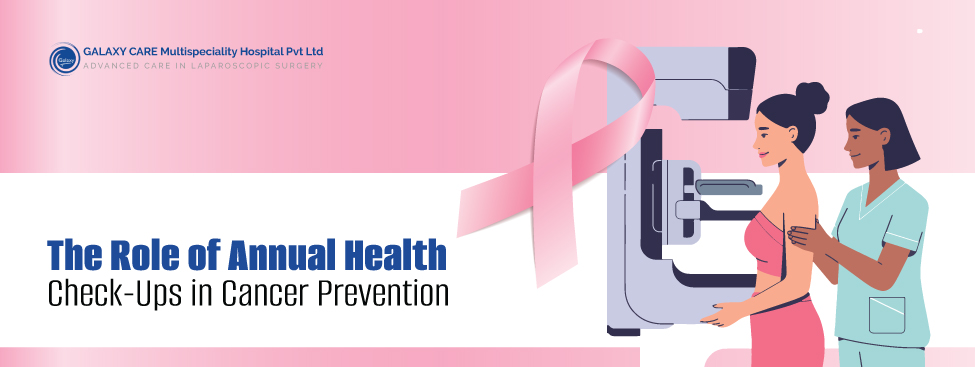
- Breast cancer screening: Mammograms are typically recommended for women starting at age 40–45, or earlier for those with a family history of breast cancer.
- Cervical cancer screening: Pap smears and HPV testing are recommended for women, usually starting at age 21 and continuing at regular intervals.
- Colorectal cancer screening: Colonoscopies or stool-based tests are generally advised for adults from age 45 onwards.
- Prostate cancer screening: PSA (Prostate-Specific Antigen) blood tests may be considered for men above 50, or earlier if there is a family history.
- Oral cancer screening: A simple visual examination of the mouth and throat, particularly important for tobacco and alcohol users.
- Lung cancer screening: Low-dose CT scans may be recommended for long-term heavy smokers in a certain age range.
It’s important to remember that no two people are the same. Screening recommendations are personalised, your doctor will factor in your age, medical history, lifestyle, and family background before suggesting a plan that’s right for you.
Who Should Consider Preventive Health Screening More Frequently?
While everyone benefits from regular check-ups, certain individuals may need more frequent or earlier preventive health screening. You might fall into this category if you:
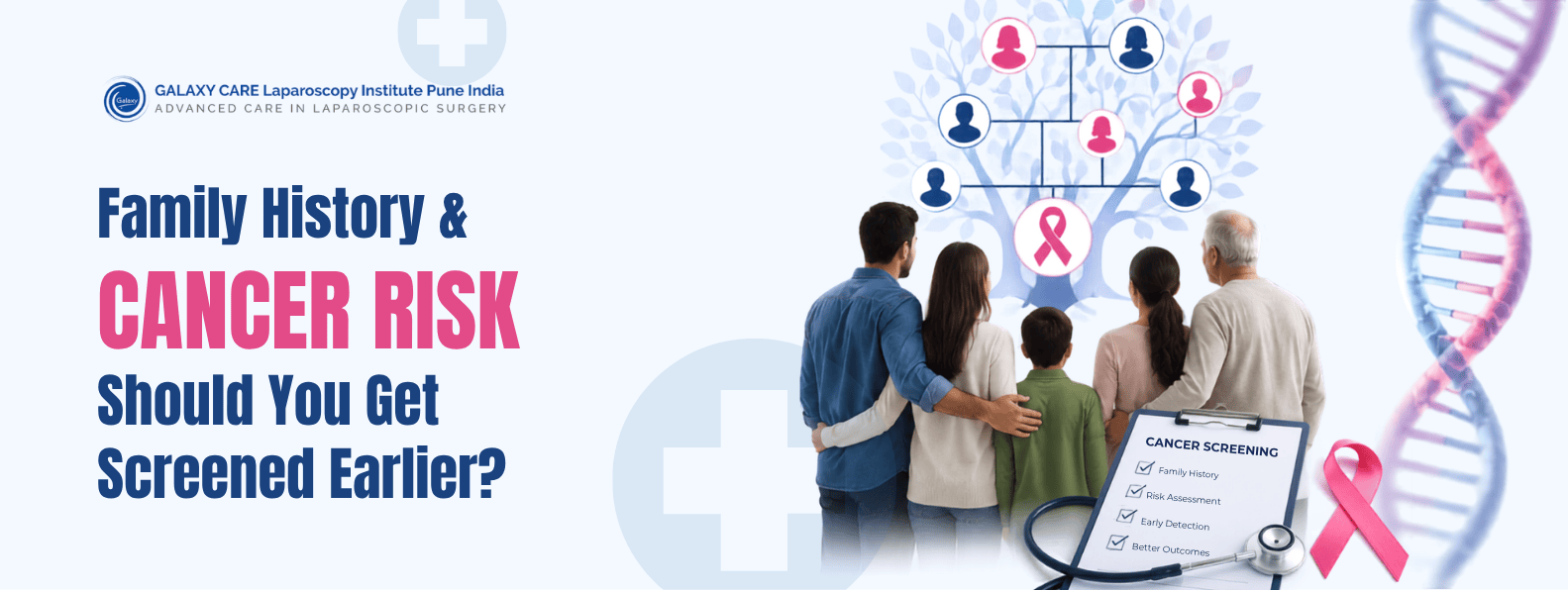
- Have a family history of cancer (especially first-degree relatives like a parent or sibling)
- Are a current or former smoker
- Have been diagnosed with obesity or are significantly overweight
- Have a history of chronic conditions such as diabetes, GERD, or inflammatory bowel disease
- Work in environments with exposure to chemicals, asbestos, or radiation
- Have had previous abnormal screening results
- Are above the age of 45, when cancer risk generally increases
You might be surprised to know that even young adults in their 30s can be at elevated risk if they carry certain inherited gene mutations, such as BRCA1 or BRCA2, which are linked to breast and ovarian cancers.
If any of these apply to you, speak with your doctor about a more tailored screening schedule. It’s not about fear; it’s about being informed and prepared.
Take Care of Your Health. Get Screened.
At the end of the day, annual health check-ups are not about searching for bad news. They are about giving yourself the best possible chance at a long, healthy life. They are acts of self-respect, a way of saying, “I matter, and I’m going to take care of myself.”
Cancer is not always preventable, but it is often detectable, and detection saves lives. The earlier a concern is found, the more options you have. That peace of mind alone is worth scheduling that appointment you’ve been putting off.
So whether you’re 30 or 60, whether you feel perfectly healthy or have a nagging concern, make that call. Book your check-up. Talk to your doctor. Prioritize your health today, so you can protect your tomorrow.
At Galaxy Care Hospital, Pune, we believe that every patient deserves expert care, honest answers, and a healthcare partner they can trust. Our team of cancer specialists in Pune is here to guide you through personalised screening programmes, advanced diagnostics, and compassionate support, every step of the way.