Can Obesity Increase Your Risk of Cancer?
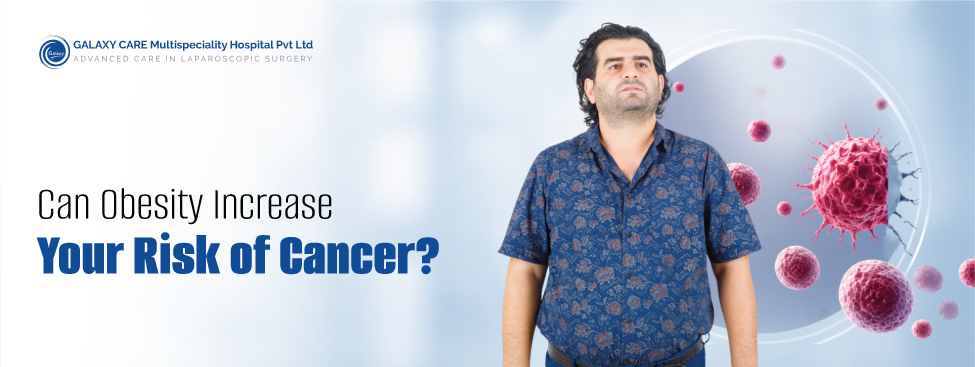
When most people think about the health risks of carrying extra weight, their minds usually jump straight to diabetes or heart disease. These are serious concerns, of course. But there is another risk that does not get nearly as much attention, and it deserves a much bigger conversation. Various research now shows a clear and growing connection between obesity and cancer risk. Understanding this link is not about creating fear. It is about giving you the knowledge to make better choices for your long-term health.
Obesity rates have been rising steadily around the world, and India is no exception. Changing lifestyles, sedentary work, processed foods, and chronic stress have contributed to more people living with excess weight than ever before. And while the focus has largely stayed on metabolic conditions, the science tells us that body weight and cancer are far more connected than most people realise.
What Is the Link Between Obesity and Cancer?
The connection between obesity and cancer comes down to the way excess body fat affects your body at a biological level. When you carry more fat than your body needs, particularly around your abdomen, it triggers a chain of changes that can create an environment where cancer cells are more likely to develop and grow.
Here is the thing. Fat tissue is not just passive storage. It is metabolically active. It produces hormones, generates inflammation, and influences how your cells behave. Let us understand why this matters.
Excess body fat and cancer risk are linked through three main pathways:
- Hormonal changes: Fat cells, especially those around the belly, produce excess oestrogen. High oestrogen levels are associated with a greater risk of cancers like breast and endometrial cancer.
- Chronic inflammation: Carrying excess weight leads to low-grade, persistent inflammation throughout the body. Over time, this inflammation can damage DNA and promote abnormal cell growth.
- Insulin resistance: Obesity often leads to elevated insulin and insulin-like growth factor (IGF-1) levels, which can encourage cells to divide more rapidly and create conditions where cancer can take hold.
That is why it matters. It is not just about the number on the scale. It is about what is happening inside your body every single day.
Which Types of Cancer Are Linked to Obesity?
Obesity-related cancers include some of the most common types diagnosed today. Research supported by organisations like the World Health Organization (WHO) and the American Cancer Society has identified strong links between excess body weight and at least 13 types of cancer.
These include:
- Breast cancer (particularly in postmenopausal women)
- Colorectal cancer
- Endometrial (uterine) cancer
- Liver cancer
- Kidney cancer
- Pancreatic cancer
- Esophageal cancer
- Ovarian and gallbladder cancers
You might be surprised to know that endometrial cancer has one of the strongest associations with obesity. Women who are significantly overweight have a much higher risk of developing this cancer compared to those at a healthy weight. Similarly, weight and cancer risk for colorectal cancer increases with both body weight and abdominal fat.
It is also worth noting that obesity does not act alone. It often works alongside other cancer risk factors like smoking, alcohol use, physical inactivity, and poor diet. Together, these factors can multiply your risk considerably.
Can Losing Weight Help Reduce Cancer Risk?
The good news is that making positive changes to your weight and lifestyle can meaningfully reduce your cancer risk. Cancer prevention is not about achieving a perfect body. It is about moving toward a healthier weight gradually and consistently.
Studies suggest that even modest weight loss, around 5 to 10 percent of your total body weight, can have measurable benefits. Inflammation decreases. Hormone levels improve. Insulin sensitivity gets better. All of these changes lower the conditions that allow cancer to thrive.
So, what can you do? Start with small, realistic steps.
- Move more: Even 30 minutes of brisk walking most days of the week can make a real difference.
- Eat more whole foods: Fill your plate with vegetables, fruits, whole grains, and lean proteins. Cut back on ultra-processed and sugary foods.
- Manage stress: Chronic stress contributes to weight gain and inflammation. Practices like yoga, meditation, or simply taking short breaks during the day can help.
- Sleep well: Poor sleep disrupts the hormones that regulate hunger, making it harder to maintain a healthy weight.
- Seek support: Do not try to do this alone. A doctor, nutritionist, or wellness counsellor can help you build a plan that works for your body and your life.
Maintaining a healthy weight is one of the most powerful lifestyle choices you can make for long-term health, and it is never too late to start.
Take the First Step Toward a Healthier Future
Understanding obesity and cancer risk is not about blame or shame. It is about awareness, and awareness is where positive change begins. Obesity is one of many cancer risk factors, and it is also one that you have the power to influence with the right support and guidance.
The relationship between body weight and cancer is well established in science, but it does mean you are at 100% risk. Every healthy meal, every walk around the block, every night of restful sleep is a step in the right direction. If you are concerned about your weight and its impact on your health, speak to a cancer specialist in Pune. A personalised plan, one that fits your lifestyle, your health history, and your goals, is far more effective than any one-size-fits-all approach.
At Galaxy Care Hospital, our team of cancer doctors in Pune is here to support you with evidence-based care, compassionate guidance, and the most advanced diagnostic and treatment options available. Whether you are focused on cancer prevention, managing existing health conditions, or simply taking better care of yourself, we are with you every step of the way.
Your health is worth every small step you take today.