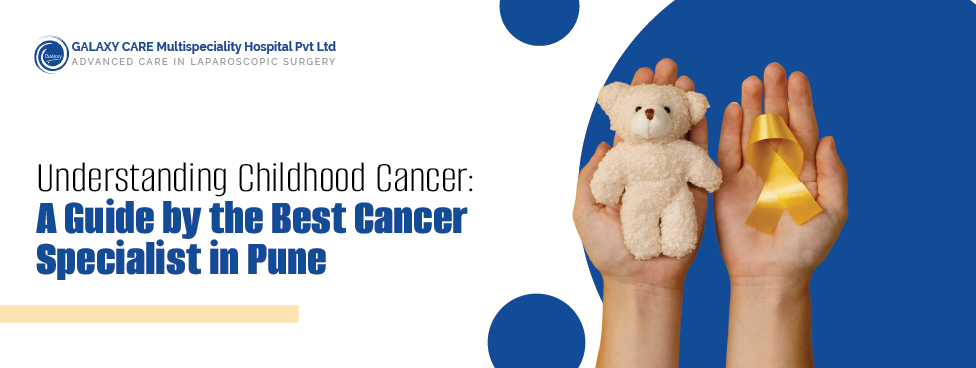
Understanding Childhood Cancer: A Guide by the Best Cancer Specialist in Pune
As parents, we notice the smallest changes. A child is eating a little less. Sleeping a little more. Laughing a little quieter. Most days, these changes pass. But sometimes, they linger. And when they do, they deserve attention.
Childhood cancer is rare, but it is real. The challenge is that its early signs often look like everyday childhood illnesses. This guide from our best cancer specialist in Pune can help parents understand what to watch for, when to pause, and when to seek expert care without fear, without panic, and with clarity.
What Is Childhood Cancer?
Childhood cancer refers to cancers that develop in children and adolescents, typically from birth up to the age of 18. Unlike adult cancers, which often develop over many years due to lifestyle or environmental factors, childhood cancer usually arise from abnormal cell growth that begins early in life and progresses quickly.
These cancers can affect different parts of the body, including the blood, brain, bones, lymphatic system, and organs. Some of the most common types include leukemia, brain tumors, lymphomas, and bone cancers. While the word “cancer” is frightening for any parent, it’s important to know that childhood cancers behave differently from adult cancers.
The good part is that many childhood cancers are highly treatable, especially when diagnosed early. Advances in medical technology, specialized pediatric oncology care, and tailored treatment protocols have significantly improved survival rates over the years.
What Are the Early Signs of Childhood Cancer?
Some symptoms appear quietly. Others linger longer than expected. And some just don’t “feel right.”
Common early warning signs include:
- Persistent fever without infection
- Unexplained weight loss
- Constant tiredness or weakness
- Pale skin or frequent infections
- Pain that doesn’t go away
Parents often assume these signs are related to infections, school stress, or growth. And most of the time, they are. But when symptoms persist for weeks, or keep coming back without a clear reason, it’s important to look deeper. Not with fear, but with awareness.
What Are the Treatment Options for Childhood Cancer?
Treatment options for childhood cancer depend on the type of cancer, its stage, the child’s age, and overall health. Doctors often use a combination of treatments to get the best possible outcome, while carefully protecting a child’s growth and development.
Here are the main treatment options for childhood cancer, explained simply:
Chemotherapy
Chemotherapy uses medicines to destroy cancer cells or stop them from growing. It is one of the most common treatments for childhood cancers, especially blood cancers like leukemia. These medicines may be given through injections, oral tablets, or IV drips. While side effects can occur, pediatric oncologists carefully adjust doses to minimize long-term impact.
Surgery
Surgery is used to remove tumors when they are localized and can be safely operated on. In many cases, surgery helps confirm the diagnosis and remove as much of the cancer as possible. It is often followed by chemotherapy or radiation to eliminate remaining cancer cells.
Radiation Therapy
Radiation therapy uses high-energy rays to destroy cancer cells. It is commonly used for brain tumors and certain solid tumors. In children, radiation is planned with extreme precision to protect developing tissues and reduce long-term side effects.
Targeted Therapy
Targeted therapy focuses on specific genetic or molecular features of cancer cells. Unlike chemotherapy, it causes less damage to healthy cells. This approach is increasingly used in pediatric oncology as research advances.
Immunotherapy
Immunotherapy helps the child’s own immune system recognize and fight cancer cells. It is an evolving and promising treatment, especially for certain blood cancers and relapsed cancers.
Bone Marrow or Stem Cell Transplant
This treatment may be recommended for high-risk or recurrent blood cancers. It involves replacing damaged bone marrow with healthy stem cells, either from the child or a donor, after intensive chemotherapy.
Supportive and Palliative Care
Supportive care focuses on managing symptoms, side effects, nutrition, emotional well-being, and quality of life. Palliative care can be provided alongside treatment to support both the child and family.
When Should Parents Consult a Cancer Specialist in Pune?
Parents don’t need to wait for certainty. Concern alone is enough reason to seek medical advice. If symptoms persist beyond two weeks, worsen over time, or appear together, consulting a best cancer specialist in Pune is the right step. Even if the outcome is reassurance, that peace of mind is valuable.
At Galaxy Care Hospital, we believe no concern is too small when it comes to a child’s health. Patients receive care from experienced cancer specialists supported by advanced diagnostics and a multidisciplinary medical team. Equally important, families are guided, informed, and supported at every stage, from diagnosis to recovery. We focus not just on curing disease, but on caring for the child and the family as a whole.
The Bottom Line
Here’s the most important thing to hold onto: most childhood symptoms are not cancer. But when cancer is the cause, early action saves lives. You are not overreacting by asking questions. You are being a parent. Galaxy Care Hospital Pune, is here for you. Early consultation can change everything. Reach out. Ask questions. Take the first step. Because when it comes to your child, nothing is too small to matter. Feel free to book your child’s consultation with our expert doctors today.